Religion
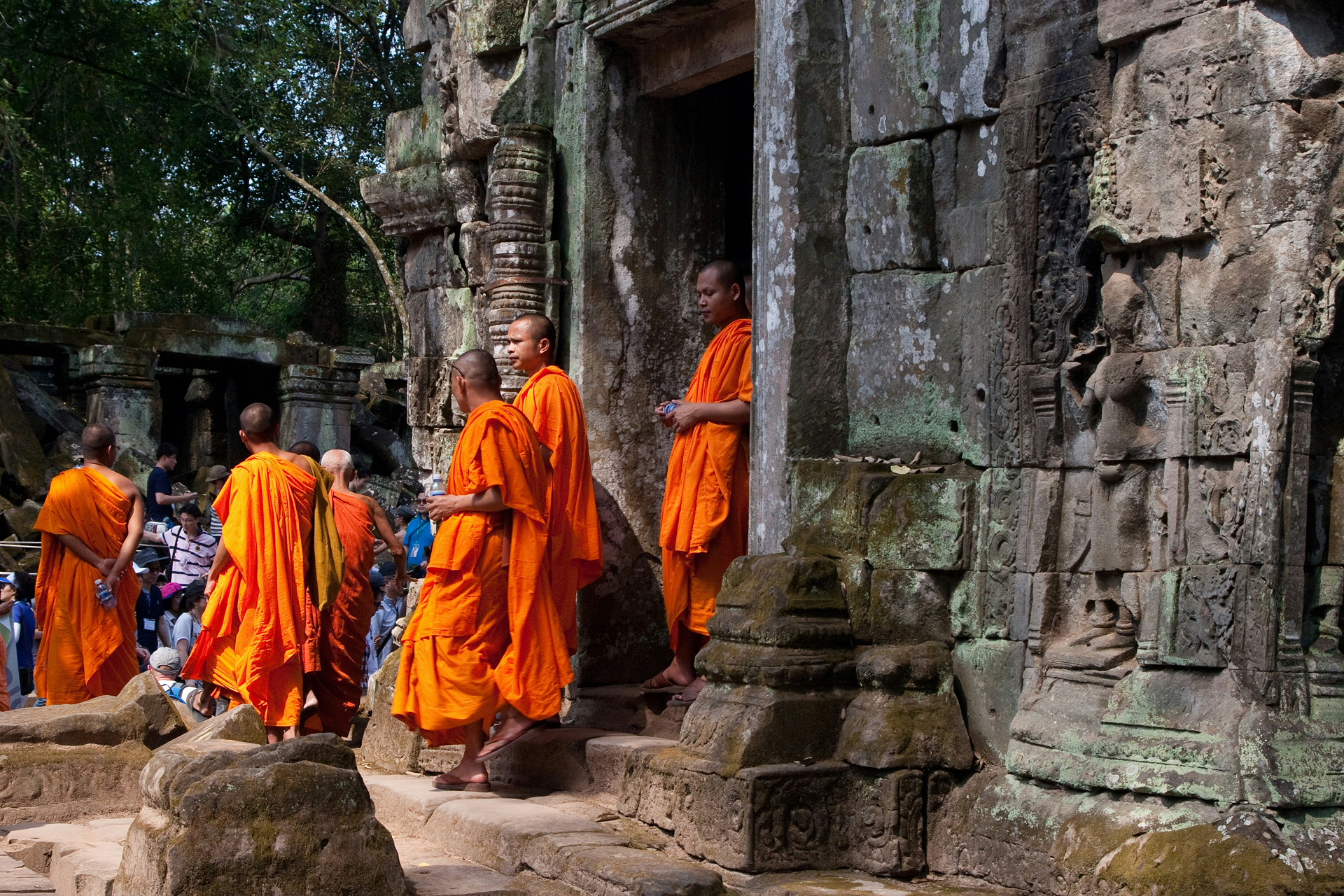
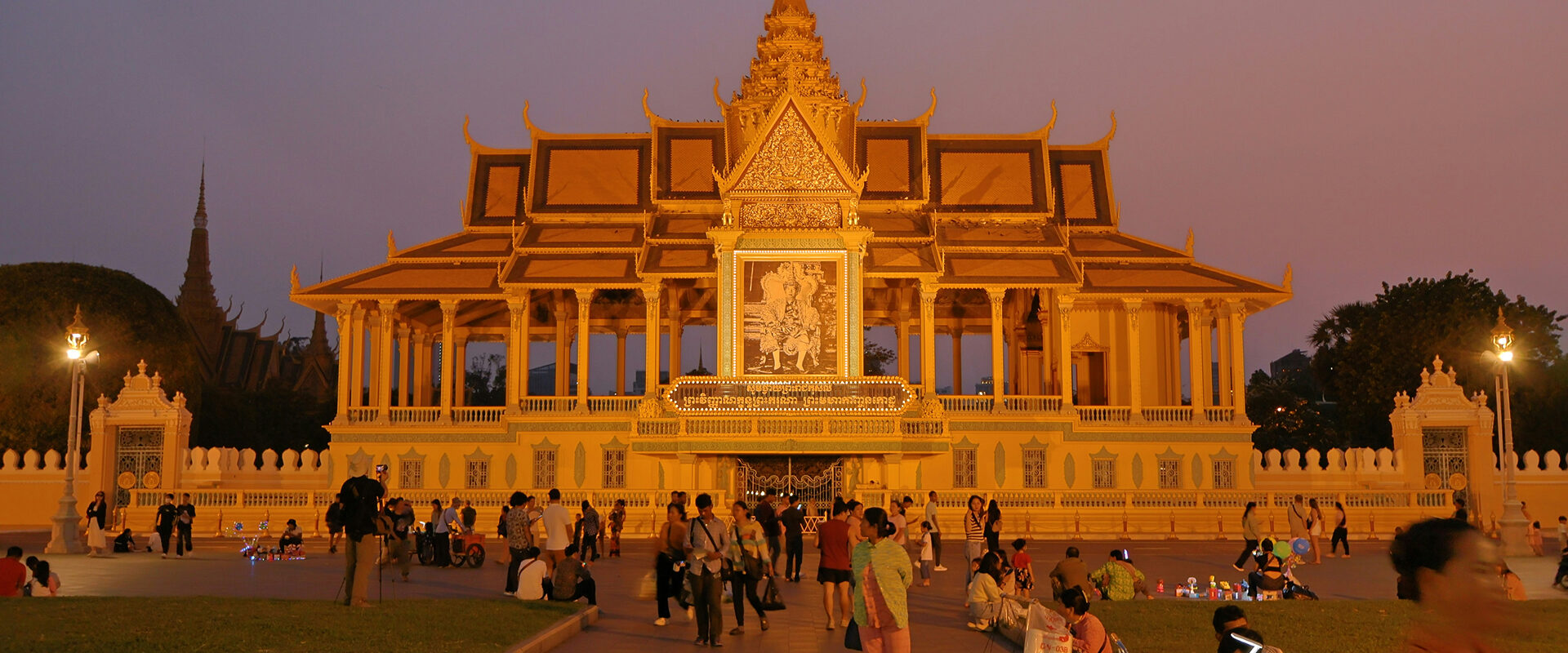
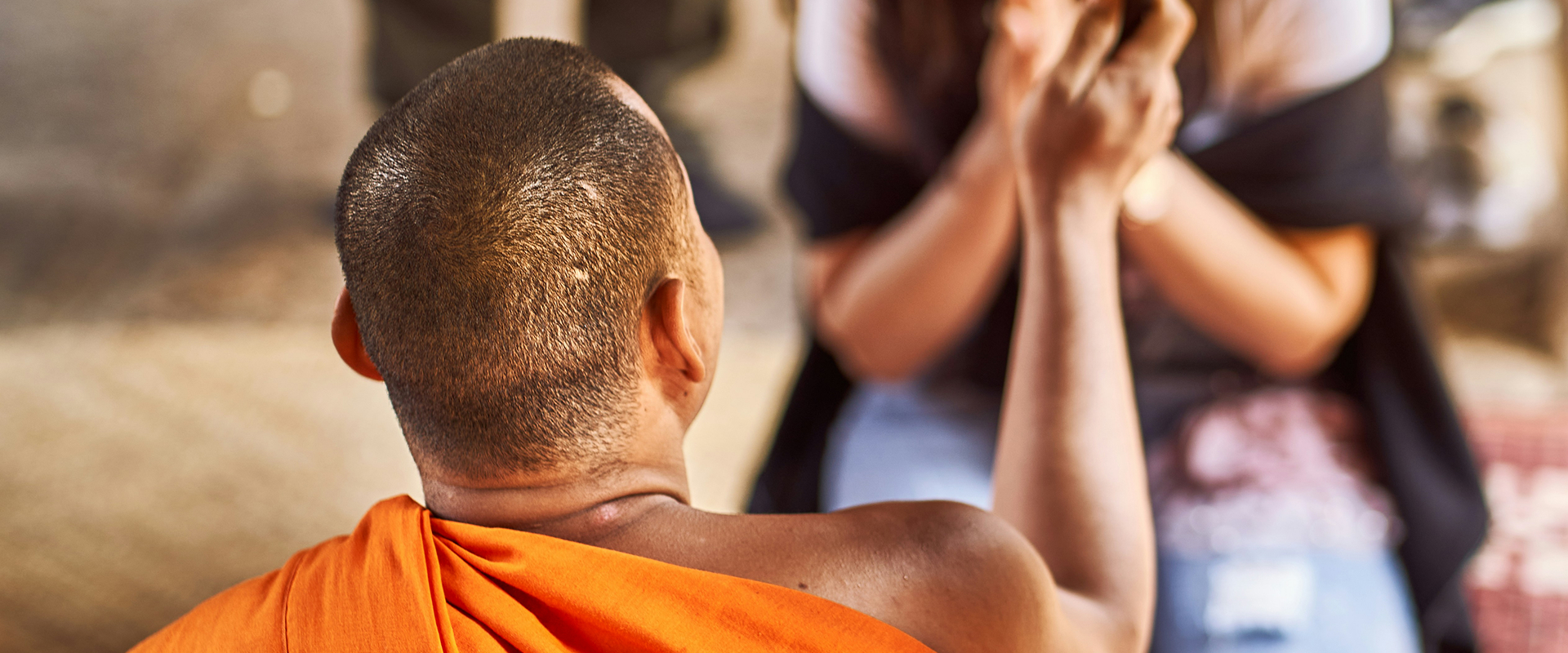
Theravada Buddhism is Cambodia’s state religion and has been since the 13th century, except during the Khmer Rouge period. During that time, all monks were disrobed or killed and most religious scholars were murdered or fled into exile. Today the country is about 95 percent Buddhist. There are also two Muslim communities, the Cham and the Malay, making up 3 percent of the population. Just under 3 percent are Christians, plus there is a substantial population of Western missionaries trying to raise that figure. In the northeast of the country, many of the ethnic minority groups practice tribal religions.
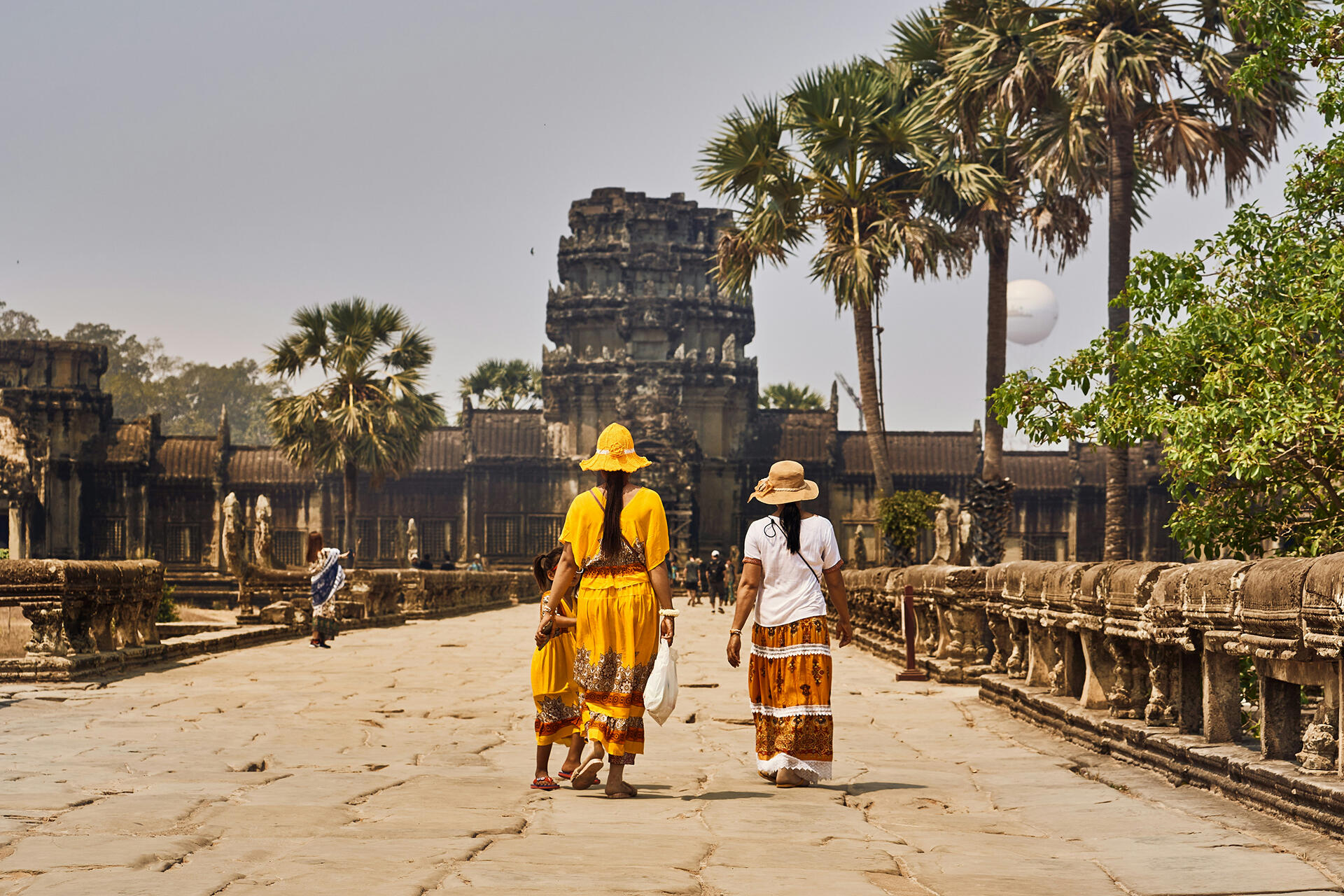
Before Cambodia embraced Buddhism, there was Hinduism. Back in the day, Hinduism was one of the Khmer Empire’s official religions. In fact, Angkor Wat is the largest Hindu temple in the world, and one of the only dedicated to Brahma. And while Hinduism is no longer directly practiced in Cambodia, it influences Khmer Buddhist practices, such as weddings, funerals, and the use of astrology to find auspicious dates for important events. The Cambodian approach to Buddhism is the same as their approach to most things: relaxed. Most Cambodians visit the pagodas for the major Buddhist holidays, such as Pchum Ben (Ancestor’s Day), and this is often the extent of their religious observances. Few Cambodians abstain from all of the Five Precepts of Buddhist belief, which prohibit killing, stealing, fornication, lying, and drinking. While they may not follow all of the rules, Cambodians still believe in reincarnation and the idea that one’s position in life is derived from past actions. (This may explain why, as a rule, they treat their dogs so poorly.)
Tours We Recommend
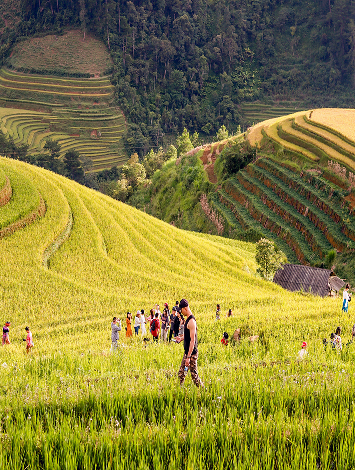
Muong Hoa Valley Medium Trek
$205 $165